Blog
Stronger for What? Why Your Training Should Match Your Life
Why Strength Means Something Different to Everyone
When someone tells me they want to get stronger, my first question is always the same:
Stronger for what?
It sounds simple. But the answer changes everything.
Most fitness content treats strength like it's one universal thing. Like getting stronger automatically means you're moving toward the same destination, regardless of who you are, how old you are, or what you're trying to accomplish.
It doesn't work that way.
Strong For What?
A powerlifter wants strength that helps them squat, bench press, and deadlift more weight.
A bodybuilder wants strength that helps them build muscle.
A tennis player wants strength that helps them move efficiently, change direction, and generate power throughout a match.
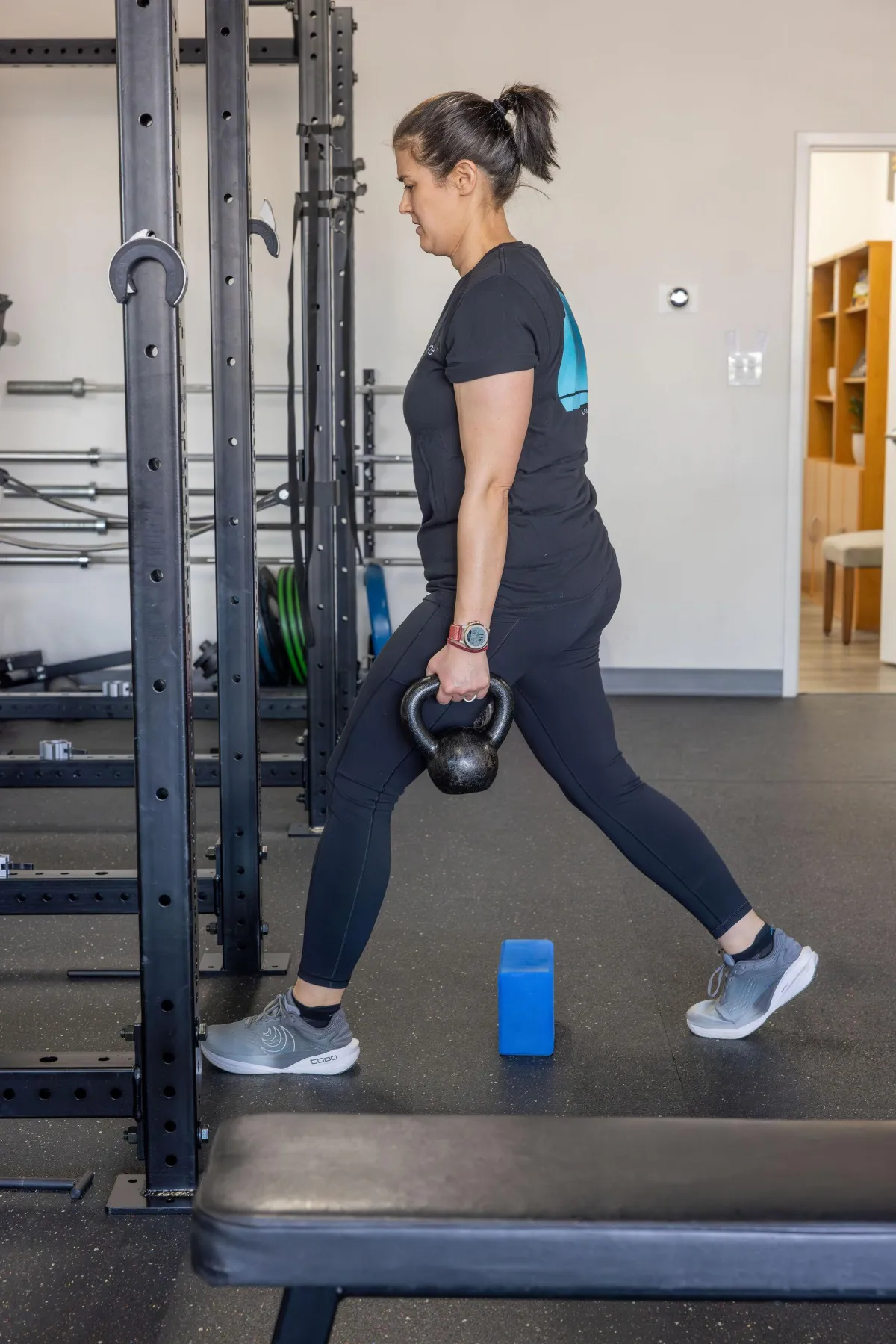
And a busy adult in their 40s or 50s? They want strength that helps them hike, travel, keep up with their kids, and stay active for the next few decades — without their body constantly reminding them how old they are.
Everyone wants strength.
But they're not all looking for the same thing.
The Problem With Copying Someone Else's Program
Social media has made it easier than ever to see how other people train.
The problem is that we often assume that if something worked for someone else, it should work for us too.
I understand the appeal. You see someone who looks great or performs at a high level, and you think — I'll do what they're doing.
But training only makes sense when viewed through the lens of a specific goal.
The program that helps a powerlifter increase their deadlift may not be the best program for someone recovering from years of inactivity.
The program that helps a college athlete maximize performance may not be the best program for a 55-year-old who wants to improve bone density and stay active.
The program that gets results for one person may do very little — or even work against — someone with completely different needs.
Context matters.
Every Program Creates Adaptations
Here's something I learned firsthand from competing in powerlifting:
Every training program creates specific adaptations.
Train for maximal strength and you'll likely get stronger.
Train for endurance and you'll likely improve endurance.
Train for hypertrophy and you'll likely build muscle.
The question was never whether a program works.
The question is what it's helping you become better at.
This is why people sometimes work incredibly hard and still don't get the results they want. Not because they lack effort or discipline — but because they're following someone else's roadmap toward a destination they never intended to reach.
What Most Fitness Content Gets Wrong
One of the biggest misconceptions I see is that health, strength, and performance are all the same thing.
Sometimes they overlap.
Sometimes they don't.
The strongest person in the gym isn't automatically the healthiest. The person with the most muscle isn't automatically the most capable. And the training approach that works brilliantly for a competitive athlete might be completely wrong for someone who simply wants to feel good, move well, and stay active into their 60s, 70s, and beyond.
Strength is a quality. An important one.
But what it needs to look like — and how much of it you actually need — depends entirely on the life you're trying to support.
So Where Does That Leave You?
If you're a busy adult in your 40s or beyond, you don't need to train like a powerlifter.
You don't need to train like a bodybuilder.
You don't need to chase numbers that have no bearing on your actual life.
What you need is a program built around your goals — one that develops the qualities most important to the life you want to keep living.
For most people I work with, that means building real strength while also maintaining mobility, supporting cardiovascular health, and preserving the ability to do the things they love without limitation.
That's not a watered-down version of fitness.
That's the whole point of fitness.
And it starts with one question:
What do you want your strength to allow you to do?


Copyright © 2025 · KG STRENGTH & PERFORMANCE